
Running a high-volume kitchen means every minute at the fryer counts. When your ticket rail fills up during a lunch rush, cook time and product consistency become the difference between a profitable service and a chaotic one. Commercial pressure fryers give operators a way to cook bone-in chicken and other proteins faster while locking in moisture batch after batch.
Broaster Company builds pressure fryers designed to help operators move through peak service without sacrificing finished product quality. This article covers the key ways pressure frying improves speed and consistency in busy restaurant kitchens, along with practical guidance you can apply to your own operation.
Key Takeaways
- Pressure frying cuts cook time on bone-in chicken by cooking under a sealed lid at controlled pressure.
- A sealed cooking well locks moisture into the finished product, reducing shrinkage and improving yield.
- Broaster Pressure Fryers use a round cooking well for uniform heat distribution across every batch.
- Extended oil life from reduced oxidation inside the sealed cooking well lowers ongoing operating costs.
- Fewer manual steps per batch reduce labor demand and help maintain consistent results across shifts.
How Commercial Pressure Fryers Boost Speed & Consistency
1. Faster Cook Times Through Pressurized Heat Transfer
Pressure frying raises the boiling point of moisture inside the cooking well. This allows heat to transfer into the product more efficiently, reducing cook time on bone-in chicken to roughly 10 to 12 minutes compared with 16 to 18 minutes in an open fryer.
For a kitchen turning over multiple batches per hour, that time savings adds up fast. You can serve more customers during peak periods without adding another fryer to the line. According to a National Restaurant Association report, operational efficiency remains a primary concern for foodservice operators managing rising costs.
2. Moisture Retention That Protects Your Yield
When the lid seals, steam stays trapped inside the cooking well instead of escaping into the kitchen. That retained moisture keeps the protein juicy and reduces weight loss during the cook cycle. Less shrinkage means you pull more servable product from each batch.
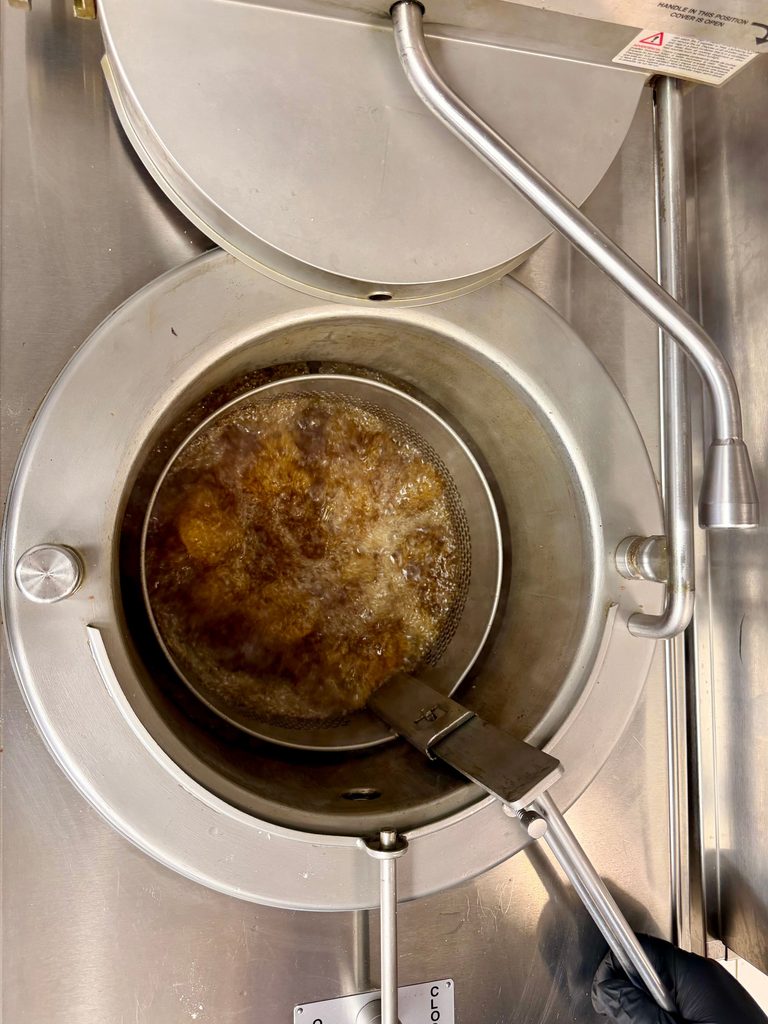
The result for your operation: more portions from the same case count. If you are cooking bone-in chicken or breaded proteins at volume, pressure frying helps you hold portion size without increasing raw material orders. Over time, that yield improvement directly affects your food cost percentage.
3. Uniform Heat Distribution from Round Cooking Well Design
Not all fry pots produce even results. Rectangular designs can create cold spots in the corners where product cooks unevenly. Broaster Pressure Fryers use a round cooking well that eliminates those corners entirely. Heat circulates uniformly across the entire cooking surface.
The operator outcome is consistent product quality, batch after batch, with fewer overcooked or undercooked pieces to pull off the line. When every piece meets the same standard, you reduce waste and build the kind of reliability that keeps customers coming back to your menu.
4. Extended Oil Life that Lowers Operating Costs
Oil breaks down faster when exposed to oxygen, high heat, and food particles. Because a pressure fryer operates with a sealed lid, oxygen exposure drops and cooking temperatures stay lower than in an open fryer. That slowed degradation helps extend oil life noticeably.
Fewer oil changes mean lower purchasing and disposal costs week after week. Over months of operation, the savings on oil, energy, and labor involved in filtering and replacing fryer oil add up, returning real dollars to your bottom line.
5. Less Oil Absorption for a Cleaner Finished Product
The pressurized environment slows oil absorption into the outer crust during the cook cycle. Your finished product comes out with a crisp exterior and less residual grease. Pressure frying seals in the natural juices and seasonings while keeping excess oil out of the food.
For your customers, that means a lighter bite with better flavor. For your kitchen, it translates to less oil consumed per batch and a product that holds well in heated display without becoming heavy or soggy over time.
6. Simplified Labor with Automated Controls
Broaster’s pressure fryers include SmartTouch controllers that let you pre-program cook cycles for different menu items.
This means your kitchen staff can run the fryer regardless of experience level. Fewer manual steps per batch reduce the chance of error, and training time for new team members gets shorter. The outcome is more predictable results with less direct supervision required.
7. Versatility Beyond Bone-In Chicken
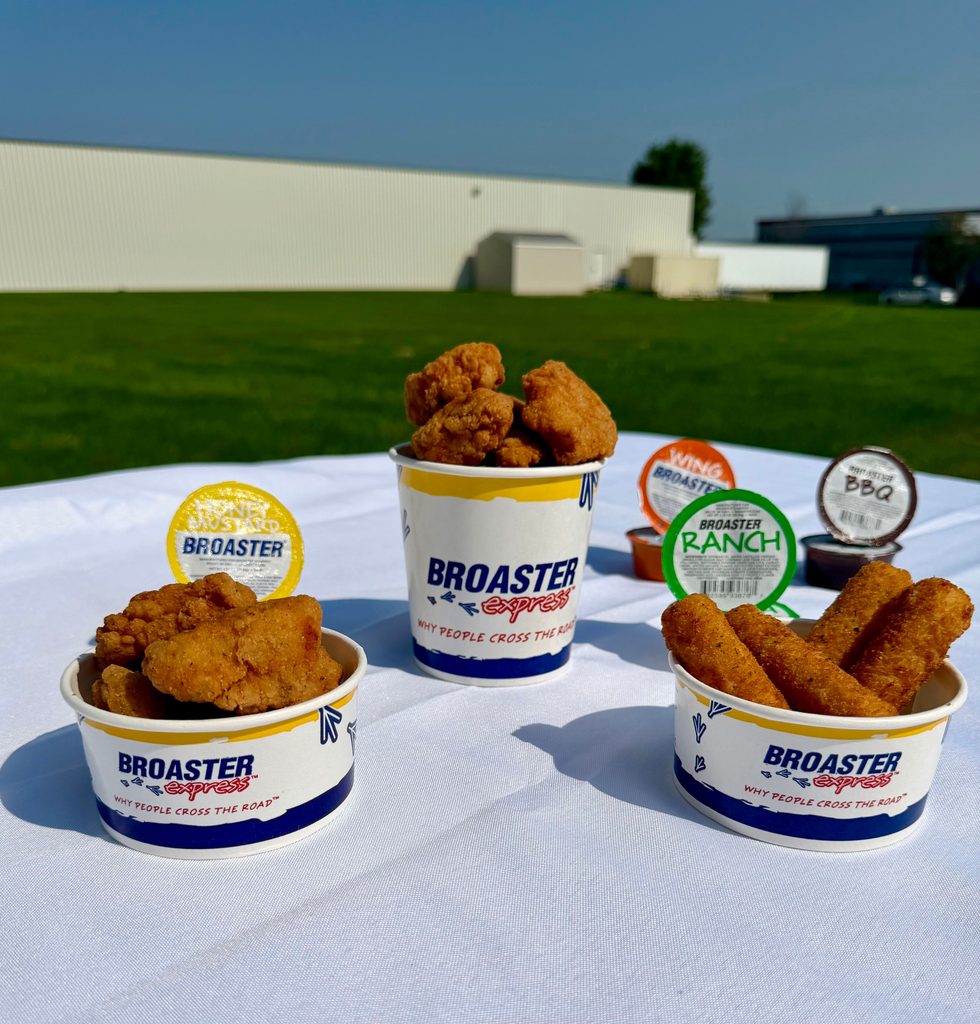
Pressure fryers handle more than just chicken. Tenders, breaded cutlets, potato wedges, and other proteins all benefit from the same sealed cooking environment. For operators looking to expand their menu offerings, a single pressure fryer can cover items that might otherwise require multiple pieces of equipment.
Broaster Company also offers frozen food programs designed to work with their fryers, giving you pre-marinated and pre-coated products that cook quickly and taste consistent every time. That versatility keeps your menu fresh without adding complexity to your back-of-house workflow.
8. Cleaner Kitchens & Reduced Maintenance
Because the lid stays sealed during the cook cycle, less oil-laden steam escapes into the air. Your hood, walls, and ceiling stay cleaner between deep cleans. Staff spend less time wiping down surfaces, which frees up labor for food prep and customer service.
That reduction in airborne grease also means less buildup on ventilation filters and surrounding equipment. Over the course of a year, you save labor hours on kitchen cleaning and reduce the frequency of hood maintenance, which lowers your total operating overhead.
Why Pressure Fryers are the Right Choice for High-Volume Operations
If your kitchen pushes through dozens of batches per shift, the operating advantages of pressure frying compound quickly. Faster cook times free up your fryer for the next batch. Better moisture retention protects your yield. Lower oil consumption cuts a recurring expense.
Open frying still has its place for items like french fries and products where a crunchier exterior is the goal. For bone-in chicken and breaded proteins, however, pressure frying delivers on the metrics that matter most: speed, consistency, and cost of ownership.
Broaster Company gives operators everything they need to run a pressure frying program, including equipment, proprietary coatings, operator training, and ongoing service support. If you are evaluating equipment for a new build or an upgrade, a Broaster Pressure Fryer is built to handle the demands of a busy kitchen.
FAQ’s About Pressure Fryers in Busy Kitchens
How much faster is pressure frying compared to open frying?
Pressure frying typically cooks bone-in chicken in 10 to 12 minutes. Open frying the same product takes roughly 16 to 18 minutes. That reduction allows you to turn over more batches per hour during peak service.
Do pressure fryers reduce oil usage?
Yes. The sealed environment limits oxygen exposure and lowers cooking temperatures, both of which help extend oil life. Broaster Pressure Fryers are designed to reduce oil absorption into the finished product as well.
Can you cook items other than chicken in a pressure fryer?
Pressure fryers work well for tenders, cutlets, potato wedges, and other breaded proteins. Broaster Company offers ready-to-cook food programs with products designed specifically for pressure frying.
What makes a round cooking well different from a rectangular one?
A round cooking well eliminates corner cold spots that can cause uneven cooking. This design promotes uniform heat distribution, which means more consistent results across every piece in the batch.
Are pressure fryers harder to clean than open fryers?
Pressure fryers are often easier to maintain. The sealed lid reduces airborne grease, keeping your kitchen cleaner. Many Broaster models also include built-in filtration systems that simplify oil management.
Is there a ventless option for kitchens without hood systems?
Broaster Company offers ventless countertop fryers that do not require a traditional hood system in most municipalities. These units include built-in fire suppression and HEPA filtration for safe, compact operation.