
You’ve read the benefits of pressure frying in our blog “What is Pressure Frying and how does it compare to open frying?” and understand why pressure frying is the perfect solution for you. But how do you pick from all the models out there? Today, we will explore the pressure fryer market and what items you’ll need to consider to choose the best pressure fryer for you.
Capacity
The cooking capacity of pressure fryers is commonly measured by the number of “heads” of chicken the unit can cook in one load. A head is equivalent to one bird (cut into 8 pieces). The most common pressure fryers out there cook four heads, or 32 pieces of chicken per load; however capacity ranges from two head models (the Broaster 1600) that cooks 16 pieces per load all the way up to eight head units (like the Broaster E-Series 24 models) that cook 64 pieces per load. When considering these larger units, consider your labor—will they be able to handle the large baskets or should you consider an auto-lift option, like the Broaster E-Series 24 models, which lowers and raises the chicken using a powered lift.
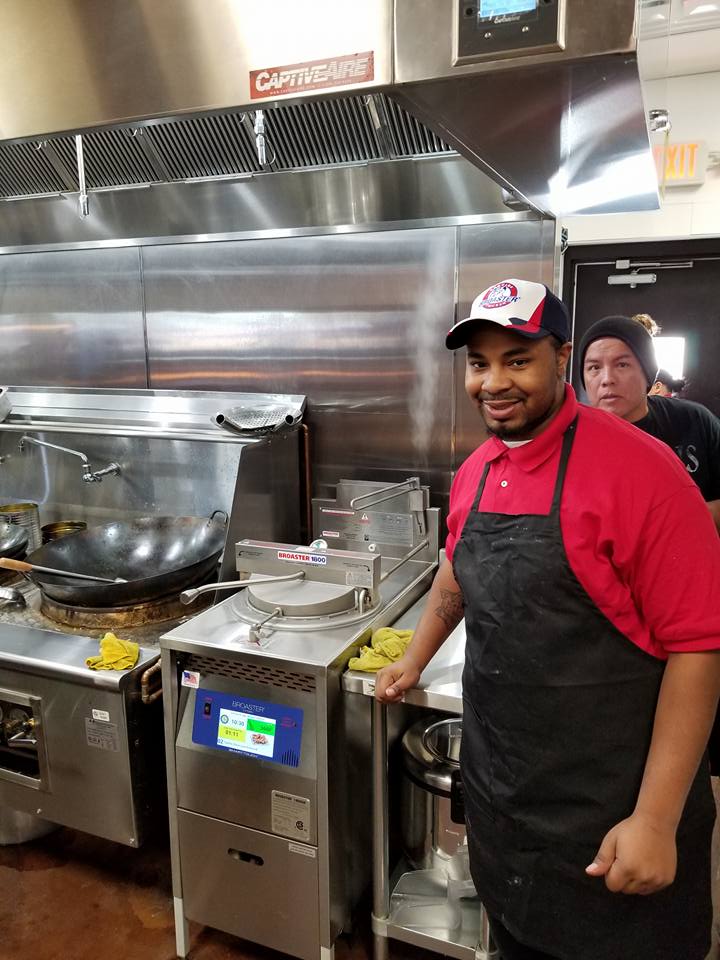
You’ll need to consider your type of operation and your intentions for your pressure fryer to determine the capacity that is right for you. Are you a mom-and-pop offering one or two fried chicken entrée specials? The Broaster 1600 might be right for you. A tender concept with long drive thru lines and dine in eaters? A Broaster E-Series 24 could fit.
Size
Pressure Fryers are stand-alone units that require a kitchen vent hood. Vent hoods are expensive, so maximizing the usage of space under the hood is important. That means you’ll want to consider not only the capacity of the unit, but also the size and the space it requires under the hood. Be sure to understand clearances on the sides of equipment as well. Broaster Pressure Fryers are 0” clearance units, allowing you to maximize that expensive hood space.
Don’t forget—you’re not limited to one unit. Based on your particular circumstances, peak times, and menu, you might get a better return on your investment with two smaller units than one bigger one.
Oil & Energy Requirements
Pressure fryers are either gas powered or electric powered. Make sure you are aware of your fuel type requirements before selecting your piece of equipment.
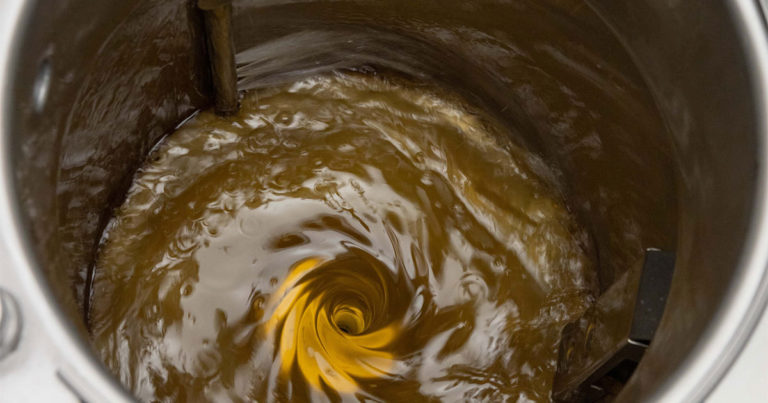
Oil is one of the most significant costs of operating a pressure fryer; so consider oil life (the length of time the oil is good for cooking) when selecting your fryer. You should also consider how much oil is required for cooking versus the capacity of the machine. Broaster typically has the smallest oil to cooking capacity ratio—your oil is being put to work more efficiently in Broaster models.
Energy requirements will also affect your bottom dollar in the long term, especially with electric pressure fryers. The most efficient machines may be available for energy rebates as well.
Filtration
There are several different filtration options available in the pressure fryer market on-board and external or portable filtration. The former means the machine is equipped with a filtration system; the latter means oil has to be removed from the pressure fryer to be filtered. You may choose one or the other for various reasons, but on-board oil filtration comes standard on Broaster units because it makes oil filtration easy, fast, safer, and more efficient. Filtering often extends oil life.
When considering on-board oil filtration units, you should also understand the filtration type and filtration aids required. How often should your filter media be replaced? What does it cost to replace a filter? Are filter aids required or are they embedded in the filter media? These recurring operating costs can also be a high value line item in your budget, so it’s best to be prepared.
Other Features to Think About
Pressure Fryers come with all sorts of other features you should spend some time thinking about. A few more that might be important:
- User interface: the market has both digital touch screens with photos (like a smartphone) and 3 line menu type with text only. Some are programmable.
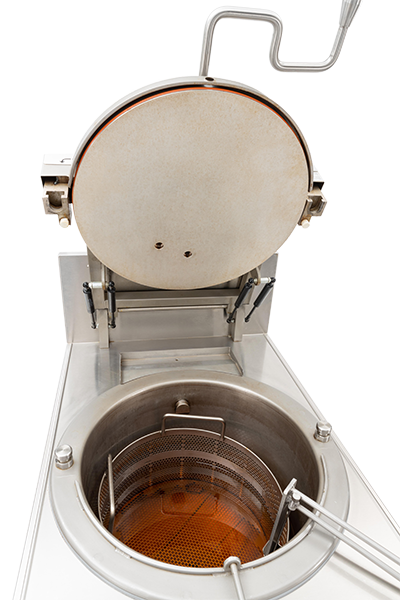
- Cooking well shape: round pots are popular since they cook evenly without hot spots and there are no corners to clean.
- Automatic features: high-end pressure fryers come equipped with many automatic features aimed at reducing labor requirements, increasing oil life, and boosting production.
- Serviceability: at some point, your machine will need to be serviced. Consider how easy the machine is to service. Will you be down long? What does the service network look like in the area; are trained technicians nearby or hours away?
- Warranty: warranties vary across the marketplace. Be sure to ask about warranty coverage on the unit and cooking well. Some warranties, like Broaster’s 10 year Cook Pot warranty, provide great long-term coverage on parts and labor that can save you money in the long run.
Read our next blog: Broaster’s Guide to Pressure Fryers to help you see which Broaster model is right for you.