
Fried chicken ranks among the most profitable menu items a foodservice operator can sell. Yet many convenience store operators and restaurant owners watch those profits disappear through rising oil costs, inconsistent cook quality, and labor that eats into margins faster than customers eat through a bucket of bone-in chicken.
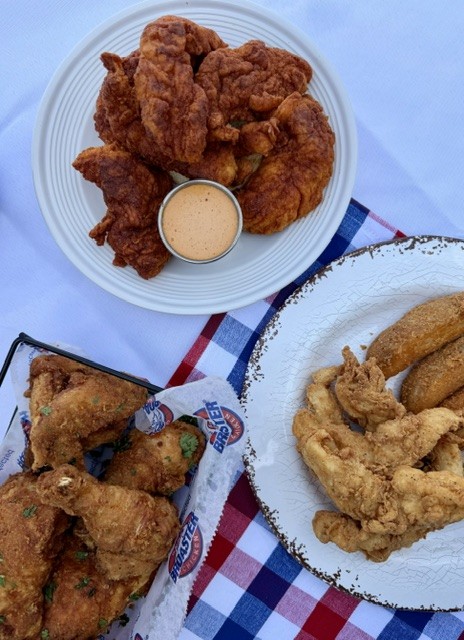
This guide breaks down every factor that affects your fried chicken profit margins, from raw food costs and pricing strategy to labor, equipment efficiency, and product consistency. Broaster Company helps operators turn chicken programs into reliable revenue drivers through pressure frying technology and turnkey food programs.
You will learn how to calculate your actual cost per piece, identify where margin leaks happen, and apply practical fixes that keep more dollars on your bottom line.
Key Takeaways:
- Food cost for fried chicken should target 28% to 38% of menu price for a healthy margin.
- Oil management, cook time, and labor scheduling are the three largest controllable margin drivers.
- Pressure frying reduces cook time and oil usage, directly lowering your per-piece operating cost.
- Broaster’s turnkey programs give operators branded chicken solutions with no franchise fees or royalties.
- Consistent product quality drives repeat customers, which lowers your effective customer acquisition cost over time.
What is Fried Chicken Profit Margin?
Your fried chicken profit margin is the percentage of revenue left after subtracting all direct costs tied to producing and selling that chicken. Those costs include raw chicken, coatings, oil, labor, energy, and packaging.
A typical quick-service operation targets a gross margin between 60% and 72% on fried chicken items. That means for every dollar in chicken sales, 60 to 72 cents remain after food costs. The rest covers overhead, labor, and profit.
Net margin, what you actually take home, depends on how well you control operating costs. Operators who manage oil life, reduce waste, and staff efficiently often see net margins that outpace other prepared food categories.
How to Calculate Your Cost Per Piece of Fried Chicken
Start with the raw ingredient cost for each piece. Add the per-piece cost of marinade, coating, and oil absorbed during frying. Then divide your total labor cost per shift by the number of pieces produced in that shift.
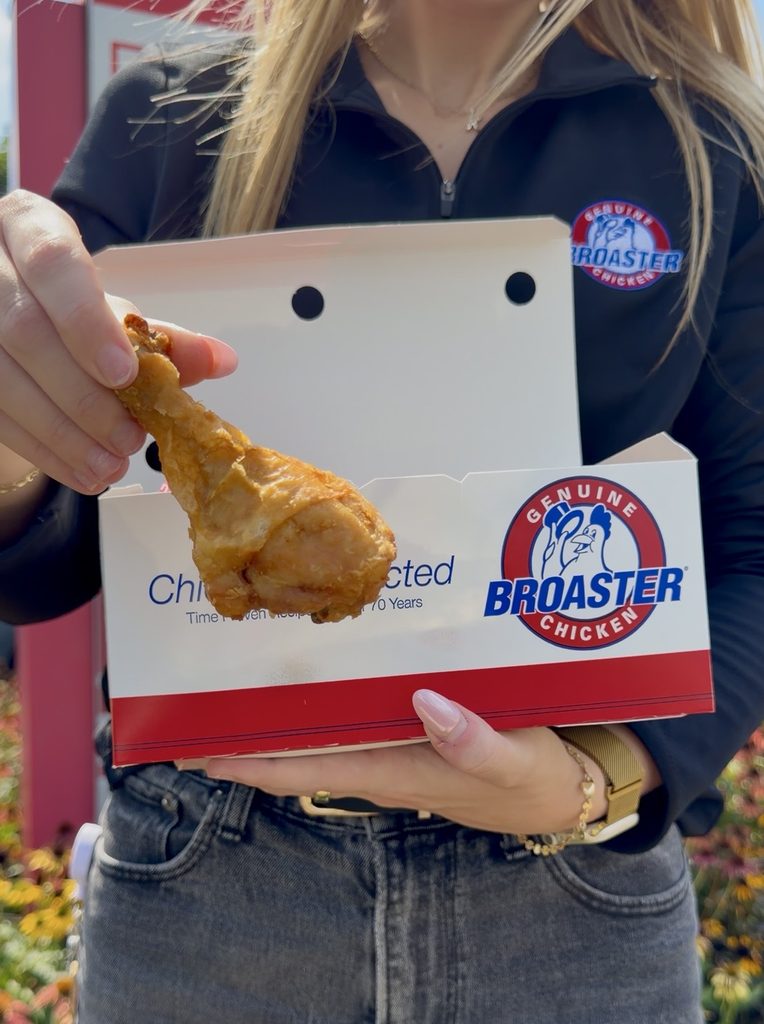
For bone-in chicken, raw cost typically ranges from $0.45 to $0.90 per piece depending on market pricing and whether you buy whole birds or pre-cut. Coating and marinade add roughly $0.05 to $0.12 per piece.
Calculating Oil Cost per Piece
Oil is one of the most overlooked cost inputs. To find your oil cost per piece, divide the total gallons of oil used between changes by the total pieces fried during that period. Then multiply by your per-gallon oil cost.
Operators using open fryers typically change oil every two to three days under heavy use. Pressure fryers extend oil life because they cook at lower temperatures in a sealed environment. That means fewer oil changes and lower cost per piece.
Adding Labor into the Equation
Divide your total labor cost during food preparation by the total number of pieces produced. If one employee spends four hours producing 200 pieces at $15 per hour, that is $0.30 per piece in labor alone.
Cook time directly affects labor cost per piece. Faster cooking means more pieces produced per labor hour. Pressure frying bone-in chicken in 10 to 12 minutes versus 16 to 18 minutes in an open fryer increases throughput per labor hour by roughly 30%.
What Drives Fried Chicken Profit Margins Up or Down?
Several controllable factors determine whether your fried chicken program generates strong margins or barely breaks even. Understanding each one gives you specific levers to pull.
Raw Chicken Pricing & Sourcing
Poultry prices fluctuate with feed costs, supply chain disruptions, and seasonal demand. Locking in contracts with distributors or buying through cooperative programs can stabilize your raw ingredient cost.
Pre-marinated or pre-coated frozen chicken products reduce prep labor, but the per-piece cost is higher than starting from raw. The trade-off depends on your labor situation and kitchen capacity.
Oil Cost & Oil Life Management
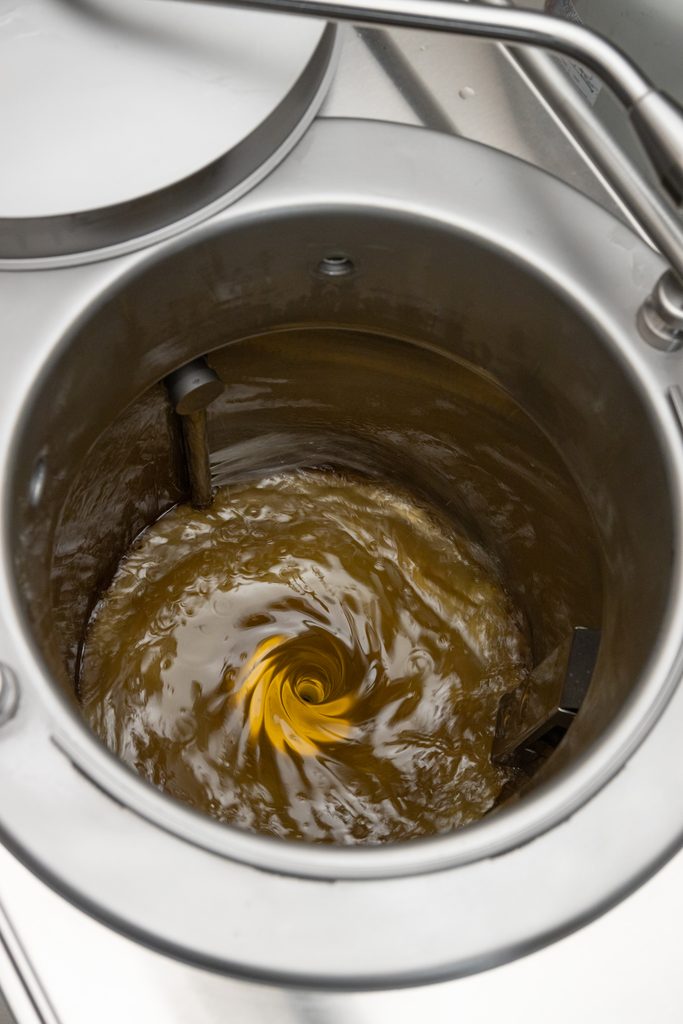
Oil is typically the second-largest variable cost after raw chicken. Extending oil life is one of the fastest ways to improve your margins.
Filtering oil after every cook cycle removes crumbs and particles that accelerate breakdown. Automatic filtration systems, built into many commercial pressure fryers, handle this without adding extra labor steps.
Cooking at lower temperatures also slows oil degradation. Pressure fryers operate in a sealed environment that reduces exposure to oxygen, one of the primary causes of oil breakdown.
Equipment Efficiency & Cook Time
The type of fryer you use has a direct effect on throughput, energy consumption, and product quality. Open fryers and pressure fryers each have their place, but they produce different margin outcomes.
Pressure fryers cook bone-in chicken in 10 to 12 minutes at around 12 to 14 psi. Open fryers require 16 to 18 minutes for the same product. That difference in cook time translates directly into more batches per hour and more pieces sold per labor dollar.
Broaster Pressure Fryers use a round cooking well that distributes heat evenly across the entire batch. This eliminates cold spots found in rectangular designs, producing a consistent finished product piece after piece.
Labor Scheduling & Training
Labor is often the single largest operating cost in a foodservice operation. Matching staffing levels to demand patterns keeps labor cost per piece in check.
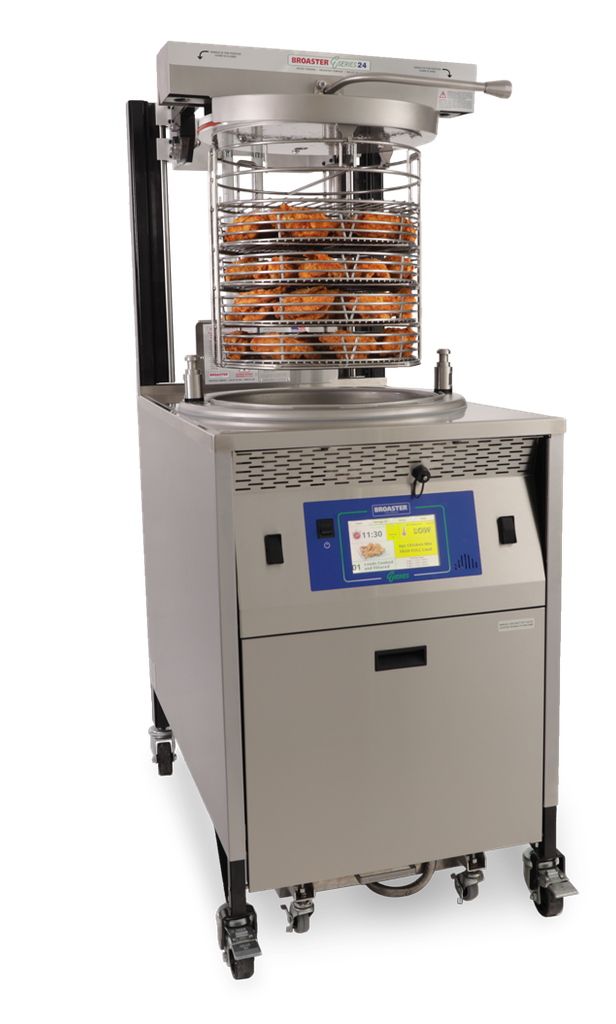
Equipment with programmable touchscreen controllers, like the SmartTouch systems on Broaster Pressure Fryers, reduces training time for new employees. When the fryer walks staff through the cook cycle automatically, you spend less time training and more time serving.
Menu Pricing Strategy
Your selling price must cover food cost, labor, overhead, and profit. Many operators use a food cost multiplier of 2.5x to 3.5x to set menu prices. If your total food cost per piece is $1.00, your menu price should fall between $2.50 and $3.50.
Bundle pricing, where you group chicken with sides and a drink, often increases average ticket size while masking the per-item cost to the customer. This approach works especially well in convenience store grab-and-go programs.
How Pressure Frying Improves Fried Chicken Profit Margins
Pressure frying affects your margins through multiple cost categories at once. The sealed cooking environment creates operational advantages that compound over time.
Faster Cook Times Mean Higher Throughput
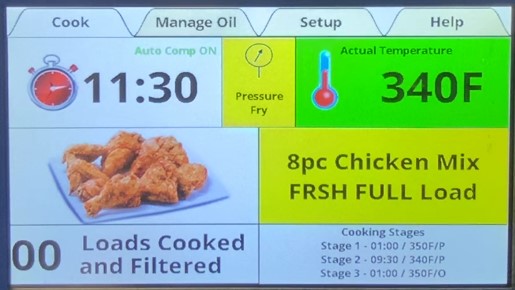
Cooking bone-in chicken in 10 to 12 minutes instead of 16 to 18 minutes gives you roughly 30% more batches per hour. During peak periods, that extra capacity translates directly into additional sales without adding labor or equipment.
Extended Oil Life Reduces your Oil Budget
Because pressure fryers cook at lower temperatures in a sealed environment, the oil degrades more slowly. Operators using pressure fryers commonly report oil lasting several days longer than in open fryers under similar production volumes.
Those extra days between oil changes reduce both the hard cost of oil and the labor required to drain, clean, and refill the cooking well.
Lower Oil Absorption Means Better Yield
Food cooked under pressure absorbs less oil than food cooked in an open vat. The result is a finished product with less grease and more retained moisture. For your margin calculation, less oil absorption means less oil consumed per piece.
Consistent Quality Reduces Waste
Inconsistent product is one of the hidden margin killers in fried chicken operations. Overcooked or undercooked pieces get discarded or discounted. Broaster’s E-Series Pressure Fryers include Auto-Comp technology that adjusts cook time for varying load sizes and temperatures, along with Auto-Lift technology, so each batch comes out the same.
Consistent quality also drives repeat business. Customers come back when they know the chicken will taste the same every visit.
Fried Chicken Profit Margins for Convenience Stores
Convenience stores face unique challenges when it comes to fried chicken profitability. Limited kitchen space, minimal staffing, and the need for grab-and-go speed all affect how you approach the program.
Why Fried Chicken Works in a C-Store Setting
Foodservice is one of the highest-margin categories in a convenience store. According to a 2025 analysis by The5For, foodservice accounts for roughly 25.6% of in-store revenue but generates 36.1% of total in-store gross margin. Fried chicken, with its broad consumer appeal and strong hold times, fits this category well.
Ventless Equipment for Limited Spaces
Many c-store locations lack traditional hood systems. Broaster’s ventless countertop fryers operate without a hood, making them a fit for locations that cannot accommodate traditional exhaust infrastructure. Built-in fire suppression and auto-lift basket features add safety without adding labor. Broaster Company also offers ventless hood systems so operators can expand their hot food menu without the cost and construction of traditional exhaust ductwork.
Frozen Food Programs Lower Prep Labor
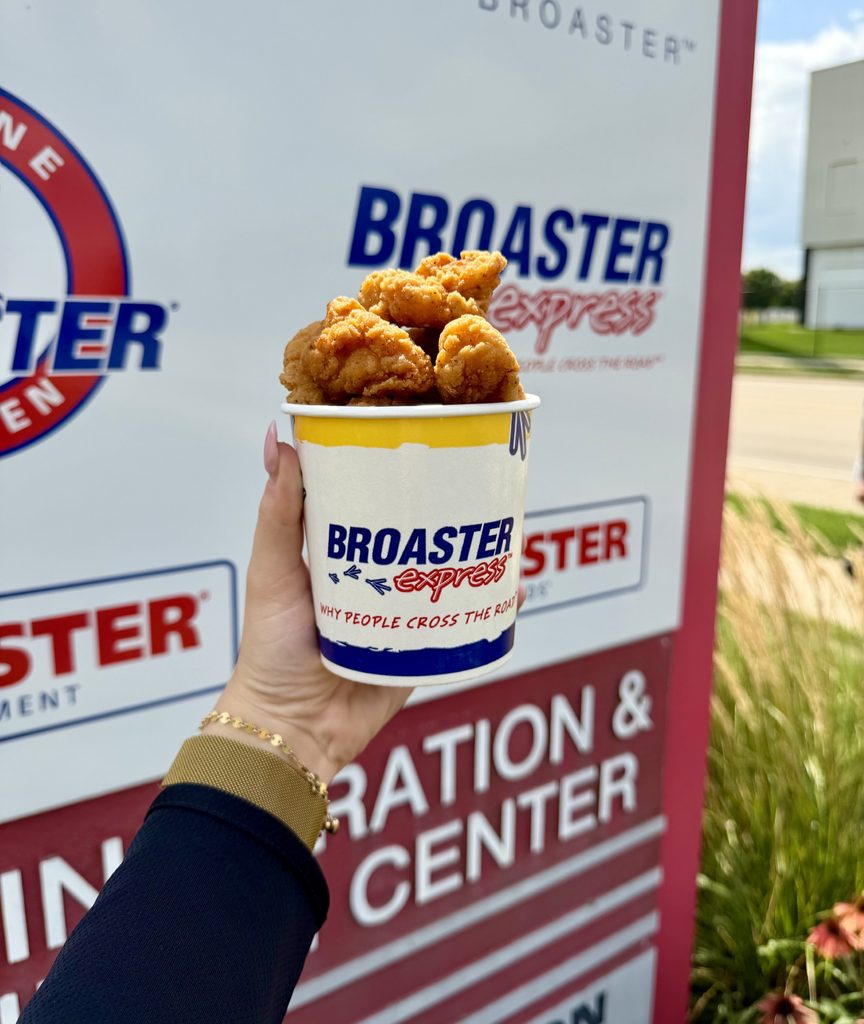
The Broaster Express trademark program gives convenience store operators a ready-to-cook frozen food lineup that includes chicken tenders, boneless wings, popcorn chicken, and potato wedges. These products go from freezer to fryer with no marinating, no coating, and no raw chicken handling, cutting prep labor to a minimum.
Fried Chicken Profit Margin for Restaurants
Restaurants have more kitchen infrastructure but also face higher labor costs and greater customer expectations for quality. Your margin strategy in a restaurant setting focuses on throughput during peak hours and product consistency.
Building a Signature Chicken Menu Item
Operators who already run an established menu can add fried chicken as a signature menu item without overhauling their kitchen. The Genuine Broaster Chicken trademark program uses proprietary marinades and coatings with Broaster pressure fryers to produce a finished product that stands apart from generic fried chicken.
The program requires no franchise fees and no royalties. You keep 100% of the profit from every piece sold.
High-Volume Production During Peak Hours
For restaurants with strong dinner or weekend rushes, production capacity matters. The Broaster 2400 pressure fryer produces 48 to 64 pieces of bone-in chicken per cook cycle, making it possible to keep up with high-volume demand without stacking multiple smaller fryers.
Hold Time & Cook Ahead Strategy
Pressure-fried chicken holds well for extended periods without losing quality. This makes it practical to cook ahead of peak rushes and hold product in warming cabinets. The result is faster service with no dip in product quality for your customer.
Fried Chicken Profit Margins for Grocery Store Delis
Grocery operators are turning deli sections into profit centers by adding branded hot food programs. The margin math for grocery delis looks different from restaurants because labor is shared across departments and the customer base is already in the store.
Capturing the Prepared Foods Customer
Shoppers increasingly look for ready-to-eat meals during their grocery trips. A hot fried chicken program creates a reason to visit the deli counter and often leads to impulse purchases in other departments.
Broaster Company’s grocery deli solutions include in-store training, marketing materials, and distributor support to help grocery operators launch and maintain a profitable chicken program.
Shared Labor & Equipment Advantages
Grocery delis can often cross-train existing staff to operate the fryer, reducing the need for dedicated foodservice hires. Programmable touchscreen controllers on Broaster equipment make cross-training faster because the fryer guides employees through each step.
How to Reduce Food Waste & Protect your Margins
Waste directly erodes your profit margin. Every piece of chicken that gets thrown away costs you the full input price with zero return.
Batch Size Optimization
Cook in batch sizes that match your sales velocity. If you are discarding unsold chicken at the end of each hold period, your batches are too large. Track sales by hour and day of week to find the right production rhythm.
Proper Holding & Merchandising
Holding cabinets and heated merchandisers extend the sellable life of cooked chicken. Broaster offers merchandisers designed to keep product at serving temperature while maintaining moisture and texture.
Waste Tracking Systems
Record what you discard and when. Simple tracking reveals patterns, such as overproduction on slow days or specific items that consistently go unsold. Adjusting production based on this data protects your margin over time.
Energy Costs & Their Effect on Profit Margins
Energy is a fixed operating cost that many operators overlook when calculating fried chicken margins. The type of fryer you run and how you run it determines how much energy goes into each batch.
Gas vs. Electric Fryers
The choice between gas and electric depends on local utility rates and available infrastructure. Broaster pressure fryers are available in both gas and electric models, giving operators flexibility based on their location.
Energy-Efficient Equipment Options
The Broaster E-Series pressure fryer reduces gas energy consumption by roughly 25% compared to traditional gas models. That reduction comes from engineering that allows cooking at a 20°F lower temperature with no loss in production output or finished product quality.
How to Build a Fried Chicken Program that Protects Margins
A profitable fried chicken program is built on a few non-negotiable foundations: the right equipment, consistent product, controlled costs, and trained staff.
Step 1: Choose the Right Equipment for your Volume
Match your fryer capacity to your projected daily sales. A location selling 100 pieces per day has different equipment needs than one selling 500. Broaster offers models ranging from the compact 1600 (16 pieces per load) to the high-capacity 2400 (48 to 64 pieces per load).
Step 2: Select a Product Program
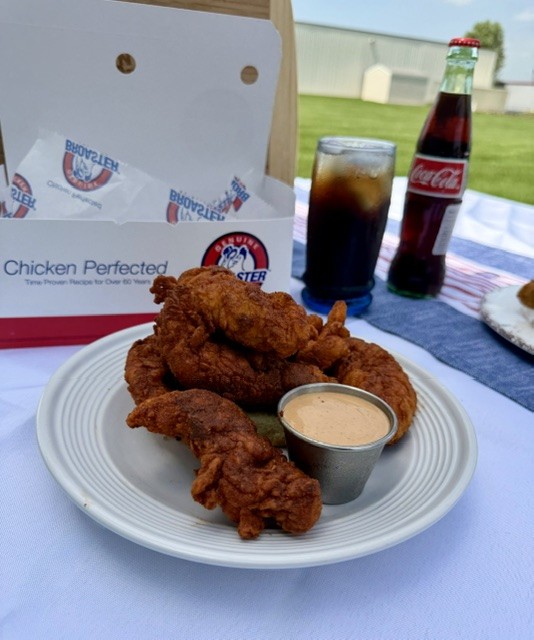
Decide whether you will work with fresh chicken, frozen ready-to-cook products, or a combination. Fresh trademark programs like Genuine Broaster Chicken deliver a premium finished product. Frozen trademark programs like Broaster Express simplify prep and reduce labor requirements.
Step 3: Set Your Menu Pricing
Use your calculated cost per piece to set prices that hit your target food cost percentage. Most profitable fried chicken programs aim for a food cost between 28% and 38%. Adjust pricing seasonally as raw chicken costs change.
Step 4: Train your Staff on Equipment & Procedures
Every employee who touches the fryer should understand the cook cycle, oil management, and food safety protocols. Broaster Company’s operator programs include in-store training to get your team producing consistent results from day one.
Step 5: Track, Measure, & Adjust
Monitor your food cost percentage weekly. Track oil usage, waste, and sales by item. Use this data to adjust batch sizes, pricing, and staffing. Small weekly improvements compound into meaningful margin gains over a full year.
Open Frying vs. Pressure Frying: A Margin Comparison
Both methods produce fried chicken that customers enjoy. The difference shows up in your operating costs and margin math.
Open fryers work well for items like french fries and thin-battered products where a crispy exterior is the priority. If your operation centers on those items, an open fryer may be the right choice.
For bone-in chicken, tenders, and other thicker products, pressure frying offers measurable cost advantages: shorter cook times, extended oil life, lower oil absorption, and a juicier finished product that holds longer. Those advantages translate to a lower cost per piece and higher margin per sale.
The purchase price for a pressure fryer is slightly higher than a comparable open fryer. The total cost of ownership, when you factor in oil savings, energy savings, and labor efficiency, typically favors pressure frying for operations focused on chicken.
In Conclusion: Protecting your Fried Chicken Profit Margins
Fried chicken profitability comes down to controlling the inputs you can measure: food cost, oil, labor, energy, and waste. Every operator faces the same cost pressures, but the ones who build systems around these variables come out ahead.
Pressure frying gives you a structural advantage on several of those inputs at once. Broaster Company combines that equipment advantage with complete food programs, training, and support that help operators of all sizes run a fried chicken program that delivers real, repeatable margin.
The math works when you control the variables. Start by calculating your true cost per piece, identify the biggest leak, and fix it first.
FAQ’s About Fried Chicken Profit Margins
What is a good profit margin for fried chicken?
A healthy gross margin for fried chicken falls between 60% and 72%, depending on your food and labor costs. Net profit margin, after all operating expenses, typically ranges from 10% to 20% for well-run programs.
Your margin improves as you control oil cost, reduce waste, and increase throughput per labor hour.
How does pressure frying affect fried chicken profitability?
Pressure frying reduces cook time by roughly 30% compared to open frying, which increases your output per labor hour. It also extends oil life and lowers oil absorption per piece. Broaster’s Pressure Fryers deliver these operational savings through a sealed cooking environment that operates at 12 to 14 psi.
What equipment does a convenience store need to sell fried chicken?
A convenience store typically needs a commercial fryer, a holding cabinet, and a frozen or fresh chicken supply program. Broaster Company’s ventless fryers operate without a hood system, making them a practical option for locations with limited kitchen infrastructure.
How do you calculate food cost for fried chicken?
Divide the total cost of all ingredients (raw chicken, coating, marinade, oil used) by the menu selling price, then multiply by 100. For example, if ingredients cost $1.20 and the selling price is $3.50, your food cost percentage is 34.3%.
Can you run a fried chicken program without paying franchise fees?
Yes. Broaster Company’s trademark food programs, including Genuine Broaster Chicken and Broaster Express, require no franchise fees, and no royalties Operators keep all profits from every sale while benefiting from nationally recognized branding and operational support.
What is the biggest hidden cost in fried chicken operations?
Oil is often the biggest hidden cost. Many operators underestimate how much they spend on oil changes, and they lose additional money through premature oil degradation caused by infrequent filtering and high cooking temperatures. Extending oil life through proper filtration and pressure frying technology reduces this cost.